Dead Branch Removal in Allentown, PA
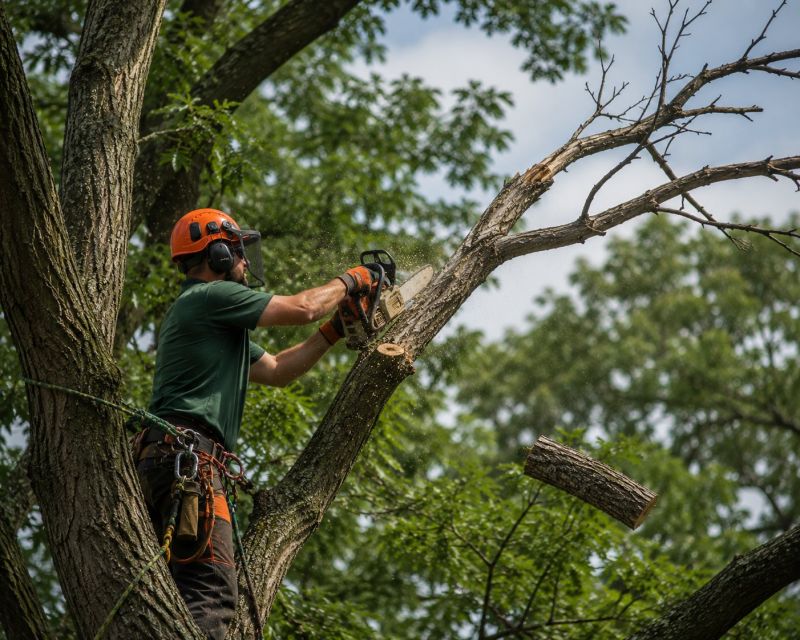
Dead branch removal services involve the careful pruning and removal of dead, dying, or damaged branches from trees and shrubs on residential properties. This process helps improve the overall health and appearance of the landscape, reduces the risk of falling branches that could cause damage or injury, and promotes safer growth. Projects typically include trimming dead limbs from mature trees, removing hazardous branches near structures or power lines, and clearing out deadwood to enhance the safety and aesthetics of the yard.
Homeowners considering dead branch removal often want to understand which branches pose safety concerns, how the process might affect the tree’s health, and the best timing for removal. It’s also common to inquire about the scope of work needed for specific trees or shrubs, especially if branches are close to rooftops, walkways, or utility lines. Clarifying these details can help property owners plan for effective and safe removal services tailored to their landscape’s needs.
Many property owners in Allentown, PA look into Dead Branch Removal for repairs, replacements, upgrades, and appearance-related improvements.
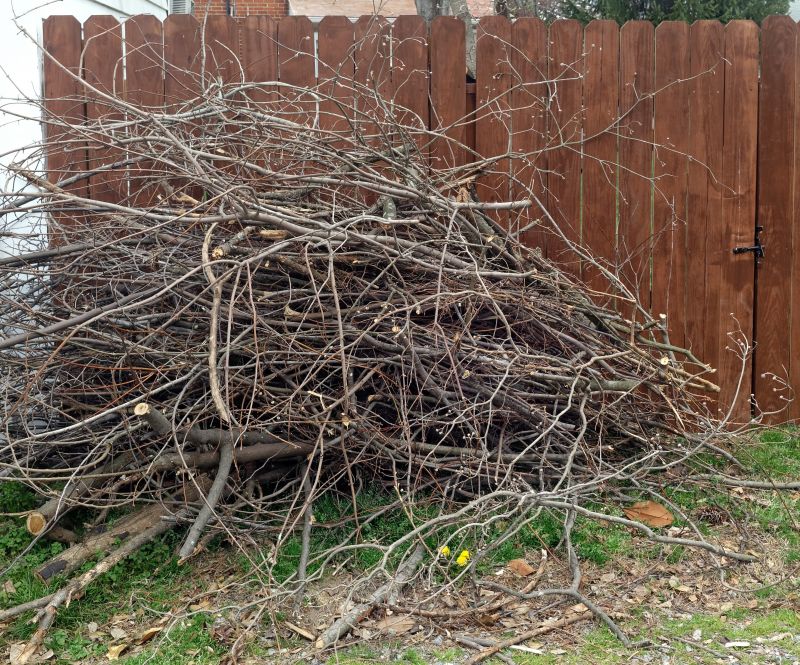
Safety And Property Protection
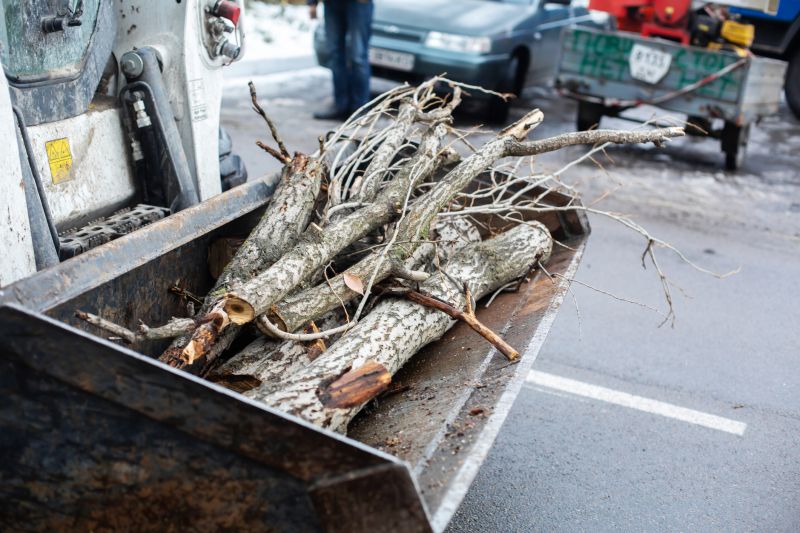
Removing dead branches reduces the risk of damage to your home and keeps your property safe.
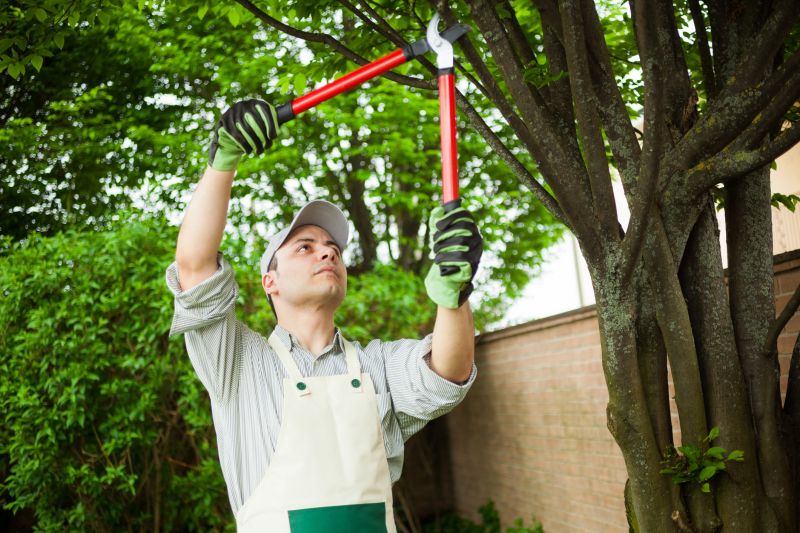
Tree Health And Maintenance
Proper dead branch removal promotes the overall health and growth of your trees.
Aesthetic Improvement
Clearing dead branches enhances the appearance and curb appeal of your landscape in allentown, pa.
Dead Branch Removal in Allentown, PA
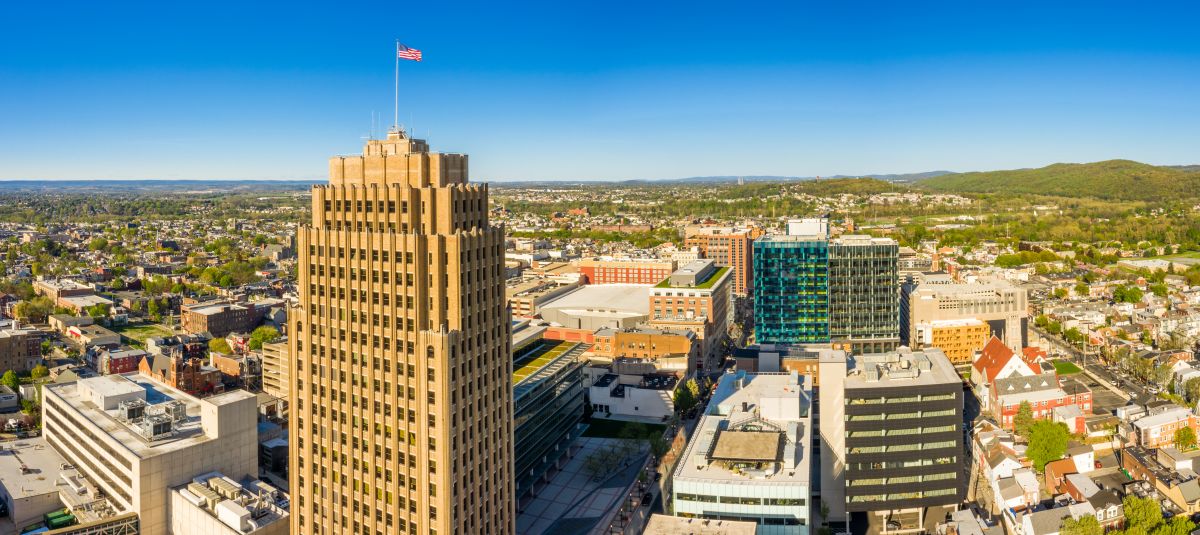
Dead branch removal services involve the careful pruning and removal of dead, dying, or damaged branches from trees and shrubs on residential properties. This process helps improve the overall health and appearance of the landscape, reduces the risk of falling branches that could cause damage or injury, and promotes safer growth. Projects typically include trimming dead limbs from mature trees, removing hazardous branches near structures or power lines, and clearing out deadwood to enhance the safety and aesthetics of the yard.
Homeowners considering dead branch removal often want to understand which branches pose safety concerns, how the process might affect the tree’s health, and the best timing for removal. It’s also common to inquire about the scope of work needed for specific trees or shrubs, especially if branches are close to rooftops, walkways, or utility lines. Clarifying these details can help property owners plan for effective and safe removal services tailored to their landscape’s needs.
Many property owners in Allentown, PA look into Dead Branch Removal for repairs, replacements, upgrades, and appearance-related improvements.
Common Dead Branch Removal Jobs
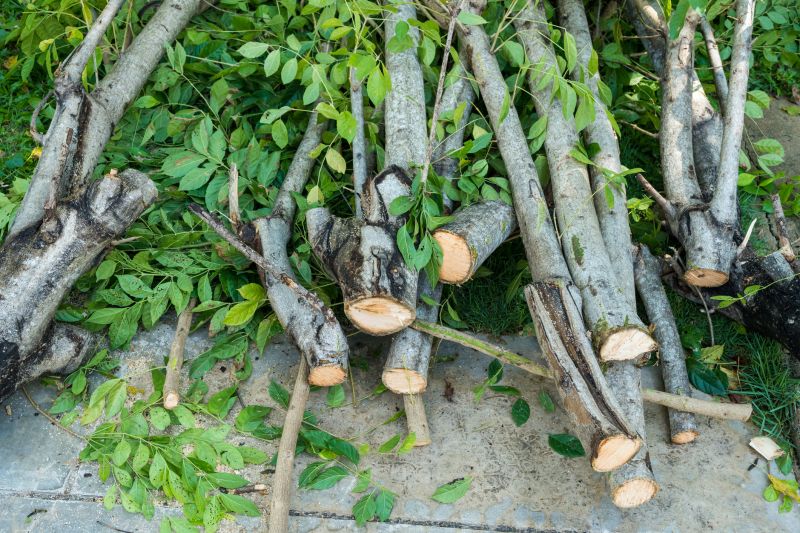
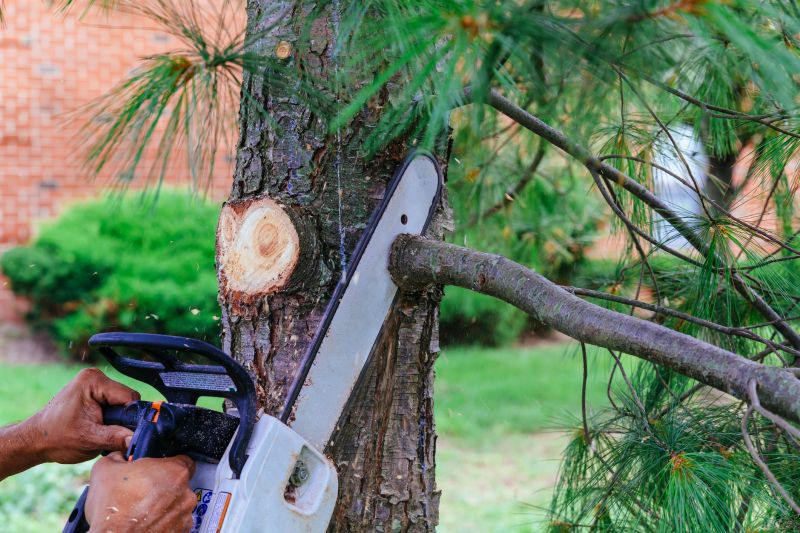
Dead Branch Removal - Safely removes dead or hazardous branches to protect property and landscape.
Tree Pruning - Clears deadwood to improve tree health and prevent potential damage.
Hazard Tree Assessment - Evaluates trees for dead or dying branches that may pose risks.
Storm Damage Cleanup - Removes fallen or broken dead branches after severe weather events.
Urban Tree Maintenance - Maintains tree safety and aesthetics by removing dead or dying limbs.
Emergency Dead Branch Removal - Provides prompt removal of dead branches threatening property or safety.
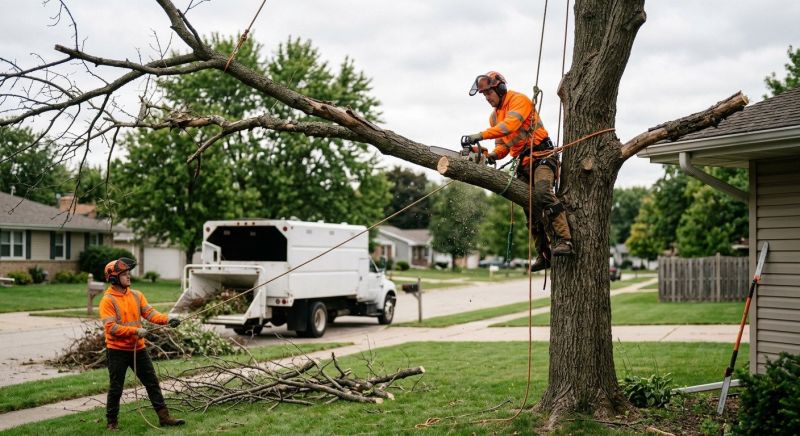
Dead Branch Removal Questions
Why should dead branches be removed? Removing dead branches helps prevent potential damage to the tree and nearby property caused by falling limbs.
How does dead branch removal benefit property safety? Clearing dead branches reduces the risk of injury or damage during storms or high winds.
What types of trees commonly require dead branch removal? Dead branch removal is often needed for mature trees, especially those with extensive or hazardous limb decay.
Is dead branch removal necessary for tree health? Yes, removing dead or dying branches encourages healthier growth and reduces the risk of disease spreading.
Request Dead Branch Removal in Allentown, PA
Use the quote form on this page to share the basics of your project and request more information for the type of work you need.