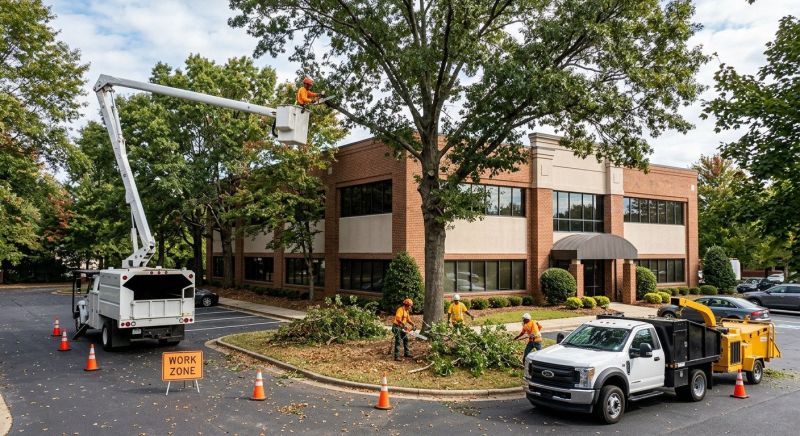
Commercial Tree Trimming in Denver, CO
Commercial tree trimming services involve the careful pruning and shaping of trees on residential or commercial properties to promote healthy growth and maintain aesthetic appeal. These projects can include removing dead or diseased branches, reducing tree height or canopy size, and improving overall structure to prevent potential hazards. Property owners typically request this service to enhance curb appeal, ensure safety around walkways and structures, or prepare trees for seasonal changes. Before requesting trimming, it’s helpful to consider the specific goals for the trees, such as whether the focus is on safety, appearance, or health, and to identify any trees that may require special attention due to their size or location.
Understanding the scope of commercial tree trimming projects also involves knowing the types of trees present and their condition. Property owners should evaluate whether the work involves routine maintenance or more extensive pruning, and consider any restrictions or guidelines for trees on their property. Proper planning can help ensure the work aligns with landscape management goals, minimizes disruption, and maintains the health of the trees. Contacting a professional for advice can provide clarity on what types of trimming are appropriate for the specific trees and property layout.
Many property owners in Denver, CO look into Commercial Tree Trimming for repairs, replacements, upgrades, and appearance-related improvements.
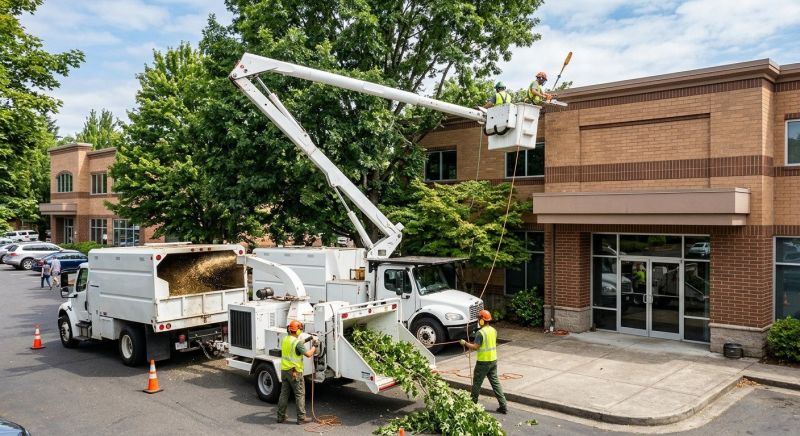
Enhancing Tree Health And Safety
Proper trimming promotes healthier growth and reduces hazards around commercial properties.
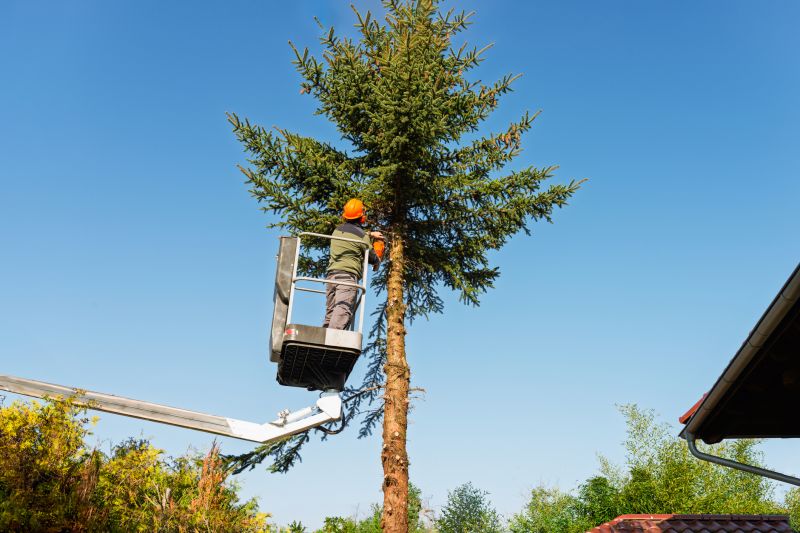
Maintaining Landscape Aesthetics
Regular pruning keeps trees looking neat and complements the overall appearance of denver-area landscapes.
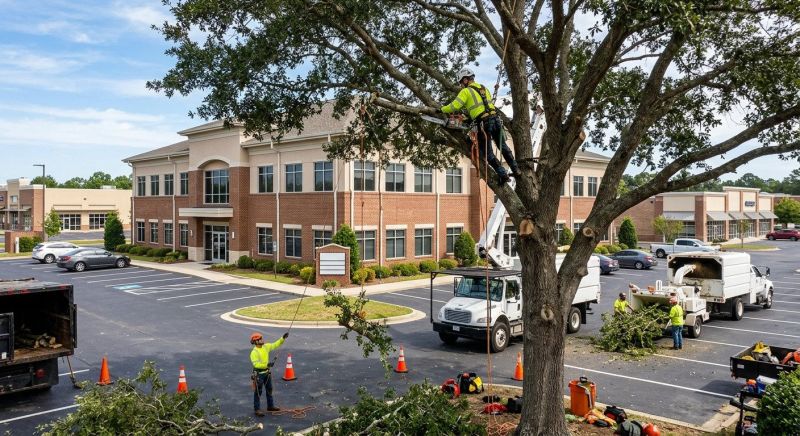
Preventing Property Damage
Strategic trimming minimizes the risk of falling branches and potential damage to structures and vehicles.
Commercial Tree Trimming in Denver, CO

Commercial tree trimming services involve the careful pruning and shaping of trees on residential or commercial properties to promote healthy growth and maintain aesthetic appeal. These projects can include removing dead or diseased branches, reducing tree height or canopy size, and improving overall structure to prevent potential hazards. Property owners typically request this service to enhance curb appeal, ensure safety around walkways and structures, or prepare trees for seasonal changes. Before requesting trimming, it’s helpful to consider the specific goals for the trees, such as whether the focus is on safety, appearance, or health, and to identify any trees that may require special attention due to their size or location.
Understanding the scope of commercial tree trimming projects also involves knowing the types of trees present and their condition. Property owners should evaluate whether the work involves routine maintenance or more extensive pruning, and consider any restrictions or guidelines for trees on their property. Proper planning can help ensure the work aligns with landscape management goals, minimizes disruption, and maintains the health of the trees. Contacting a professional for advice can provide clarity on what types of trimming are appropriate for the specific trees and property layout.
Many property owners in Denver, CO look into Commercial Tree Trimming for repairs, replacements, upgrades, and appearance-related improvements.
Common Commercial Tree Trimming Jobs
Commercial tree trimming services help maintain the health and appearance of trees on business and property grounds.
Selective pruning removes dead or hazardous branches to prevent damage and improve safety.
Tree shaping and crown reduction manage the size and structure of trees to fit property needs.
Emergency tree trimming addresses storm damage or hazardous branches quickly and efficiently.
Routine maintenance ensures trees stay healthy and aesthetically appealing over time.
Property clearance involves removing overgrown branches to improve visibility and access.
Commercial Tree Trimming Questions
What types of trees are suitable for trimming? Most common landscape trees, including oaks, maples, and elms, benefit from regular trimming to maintain health and appearance.
Why is tree trimming important for property safety? Trimming removes dead or damaged branches that could pose a risk of falling and causing damage or injury.
How often should commercial trees be trimmed? The frequency depends on the tree species and growth rate, but generally, trees are trimmed every 1 to 3 years.
What are the benefits of professional tree trimming services? Professional trimming promotes healthy growth, improves aesthetics, and helps prevent potential hazards around the property.
Request Commercial Tree Trimming in Denver, CO
Use the quote form on this page to share the basics of your project and request more information for the type of work you need.