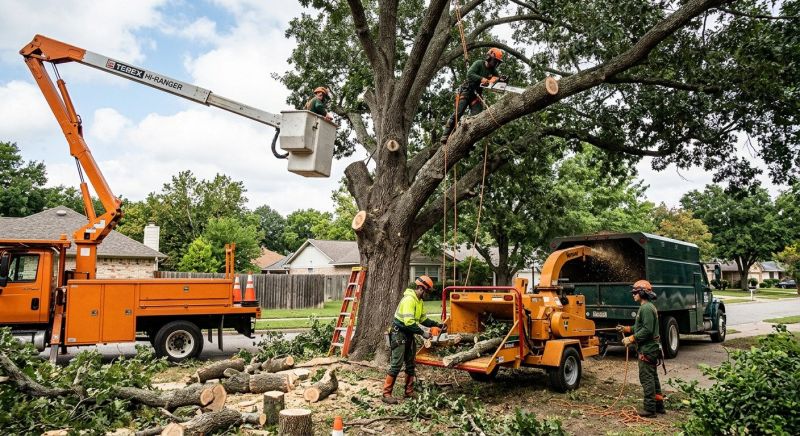
Dogwood Tree Removal in San Jose, CA
Dogwood tree removal services involve the careful and efficient removal of dogwood trees that are damaged, diseased, or pose a safety concern on residential properties. These projects typically include removing entire trees, trimming or pruning affected branches, and cleaning up debris to restore the safety and appearance of the landscape. Property owners usually seek this service when a dogwood tree is dead or dying, has become unstable, or is interfering with other structures or plantings, ensuring the safety of people and property.
Before requesting dogwood tree removal, property owners should consider the size and location of the tree, as well as any potential impacts on nearby structures or utilities. It’s also helpful to understand the reasons for removal, such as disease or damage, and to inquire about the process for safely removing the tree without harming surrounding plants or landscape features. Clear communication about these details can help ensure the project meets the specific needs of the property.
Many property owners in San Jose, CA look into Dogwood Tree Removal for repairs, replacements, upgrades, and appearance-related improvements.
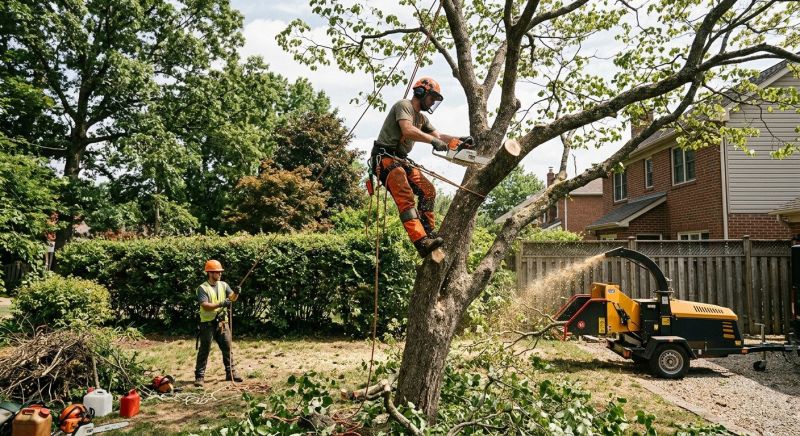
Reasons For Dogwood Tree Removal
Removing damaged or diseased dogwood trees can help maintain the health and safety of your landscape.
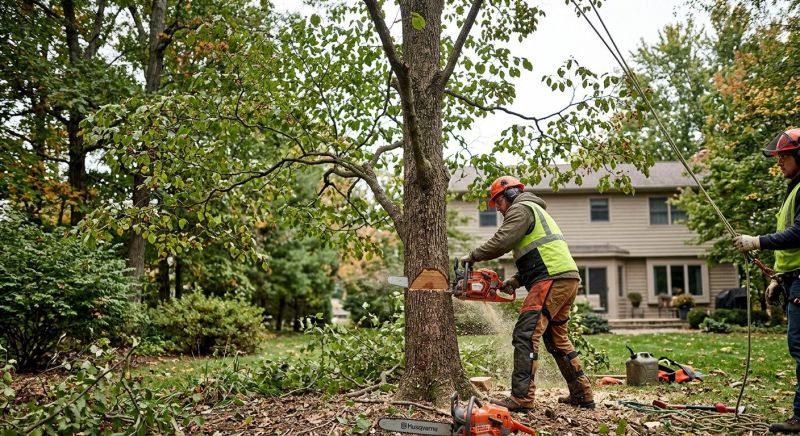
Signs A Dogwood Tree Needs Removal
Cracks, decay, or leaning can indicate that a dogwood tree should be evaluated for removal.
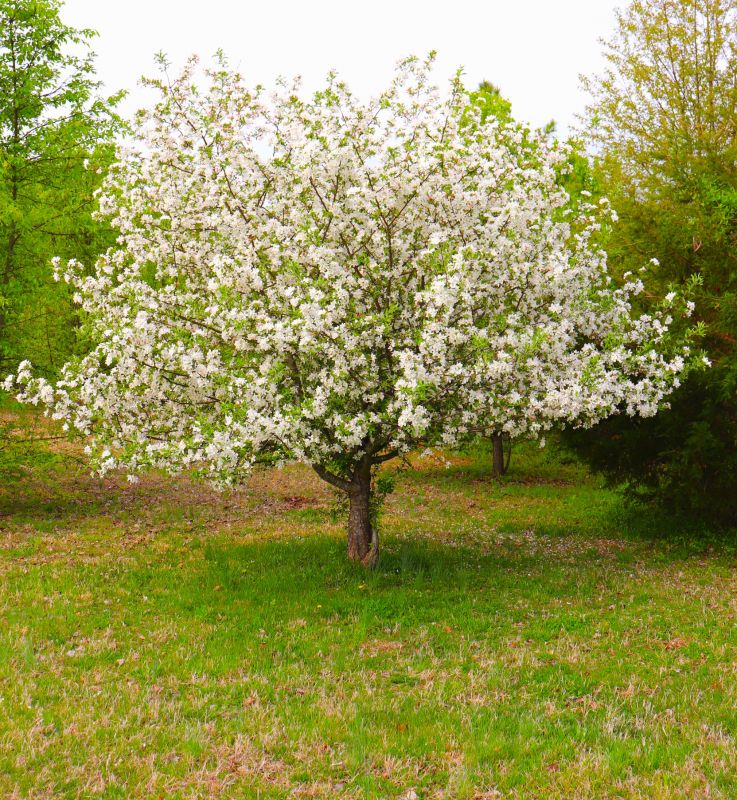
Benefits Of Professional Removal Services
Expert removal ensures safety, proper disposal, and minimizes impact on your property in san jose, ca.
Dogwood Tree Removal in San Jose, CA
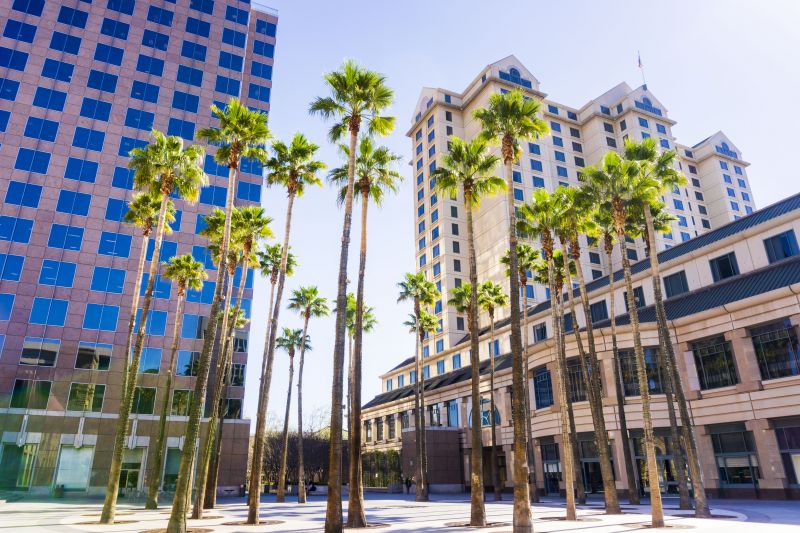
Dogwood tree removal services involve the careful and efficient removal of dogwood trees that are damaged, diseased, or pose a safety concern on residential properties. These projects typically include removing entire trees, trimming or pruning affected branches, and cleaning up debris to restore the safety and appearance of the landscape. Property owners usually seek this service when a dogwood tree is dead or dying, has become unstable, or is interfering with other structures or plantings, ensuring the safety of people and property.
Before requesting dogwood tree removal, property owners should consider the size and location of the tree, as well as any potential impacts on nearby structures or utilities. It’s also helpful to understand the reasons for removal, such as disease or damage, and to inquire about the process for safely removing the tree without harming surrounding plants or landscape features. Clear communication about these details can help ensure the project meets the specific needs of the property.
Many property owners in San Jose, CA look into Dogwood Tree Removal for repairs, replacements, upgrades, and appearance-related improvements.
Common Dogwood Tree Removal Jobs
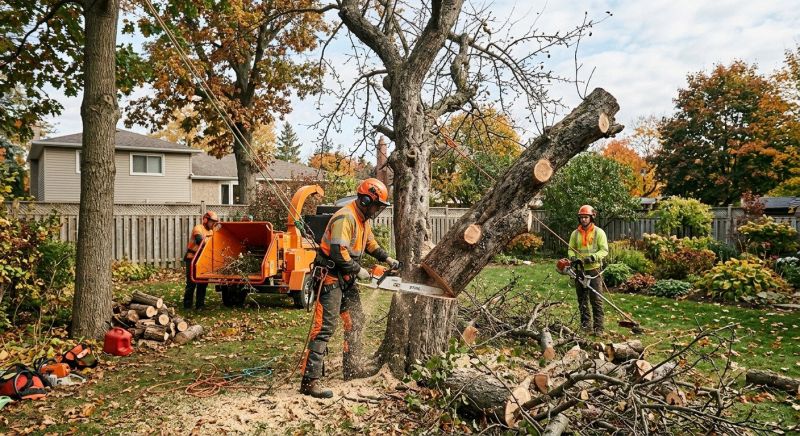
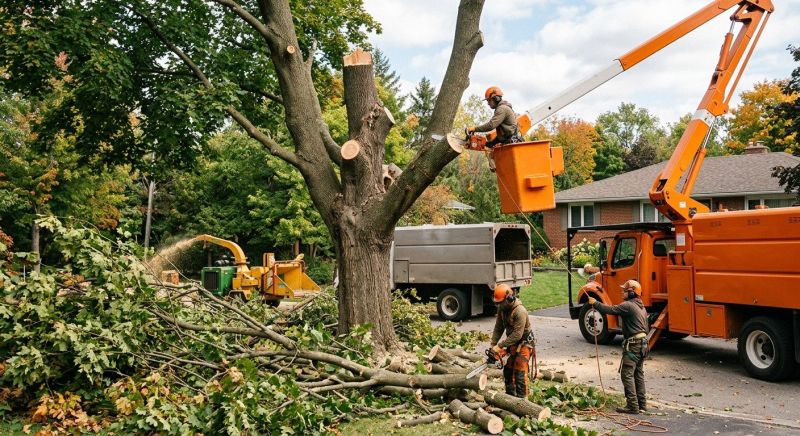
Dogwood Tree Removal - safe and efficient removal of damaged or unwanted dogwood trees.
Storm Damage Cleanup - removal of fallen or broken dogwood branches after storms.
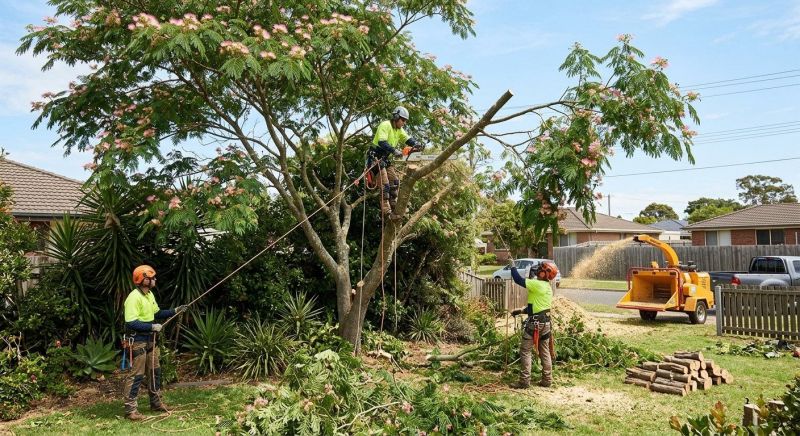
Overgrown Tree Clearing - thinning or complete removal of overgrown dogwoods to improve landscape health.
Root Removal - extraction of invasive or problematic dogwood roots that affect property foundations.
Stump Grinding - grinding out remaining stumps to prepare the area for new landscaping.
Selective Tree Removal - removal of specific dogwoods to enhance property safety and aesthetics.
Dogwood Tree Removal Questions
When is dogwood tree removal necessary? Removal may be needed if the tree is diseased, damaged, or poses a safety risk to the property.
Will removing a dogwood affect the landscape? Yes, removing a dogwood can change the appearance of a yard and may require landscape adjustments.
What should property owners consider before removing a dogwood? Consider the tree's size, location, and potential impact on nearby structures or plants.
Is professional removal recommended for dogwoods? Yes, professional removal ensures safety and proper disposal of the tree.
Request Dogwood Tree Removal in San Jose, CA
Use the quote form on this page to share the basics of your project and request more information for the type of work you need.